

Our pipeline
| Program | Therapeutic area | Indications | R&D | Preclinical | Regulatory | Phase 1/2a | Current stage |
|---|---|---|---|---|---|---|---|
| TAX2 (AP-01) | Oncology | Advanced solid tumors, including ovarian, colorectal and pancreatic cancers, and melanoma | Phase 1/2a ongoing | ||||
| AP-04 | Oncology | Triple-negative breast cancer and other aggressive tumors | Preclinical | ||||
| AP-02 | Cardiovascular | Thrombotic disorders | Preclinical | ||||
AP-01 / TAX2
- First-in-class cyclic peptide targeting the TSP-1/CD47 interaction
- Ongoing Phase 1/2a study in advanced solid tumors
- Preclinical evidence of anti-tumor immune activation and anti-angiogenic activity

AP-04
- Peptides designed to disrupt the cathepsin D/LRP-1 interaction
- Initial focus on triple-negative breast cancer
- Cellular activity and in vivo anti-cancer activity in TNBC
AP-02
- Preclinical cardiovascular program targeting the TSP-1/CD47 interaction
- Published antithrombotic proof-of-concept with TAX2
- Available for out-licensing or co-development
AP-01 / TAX2
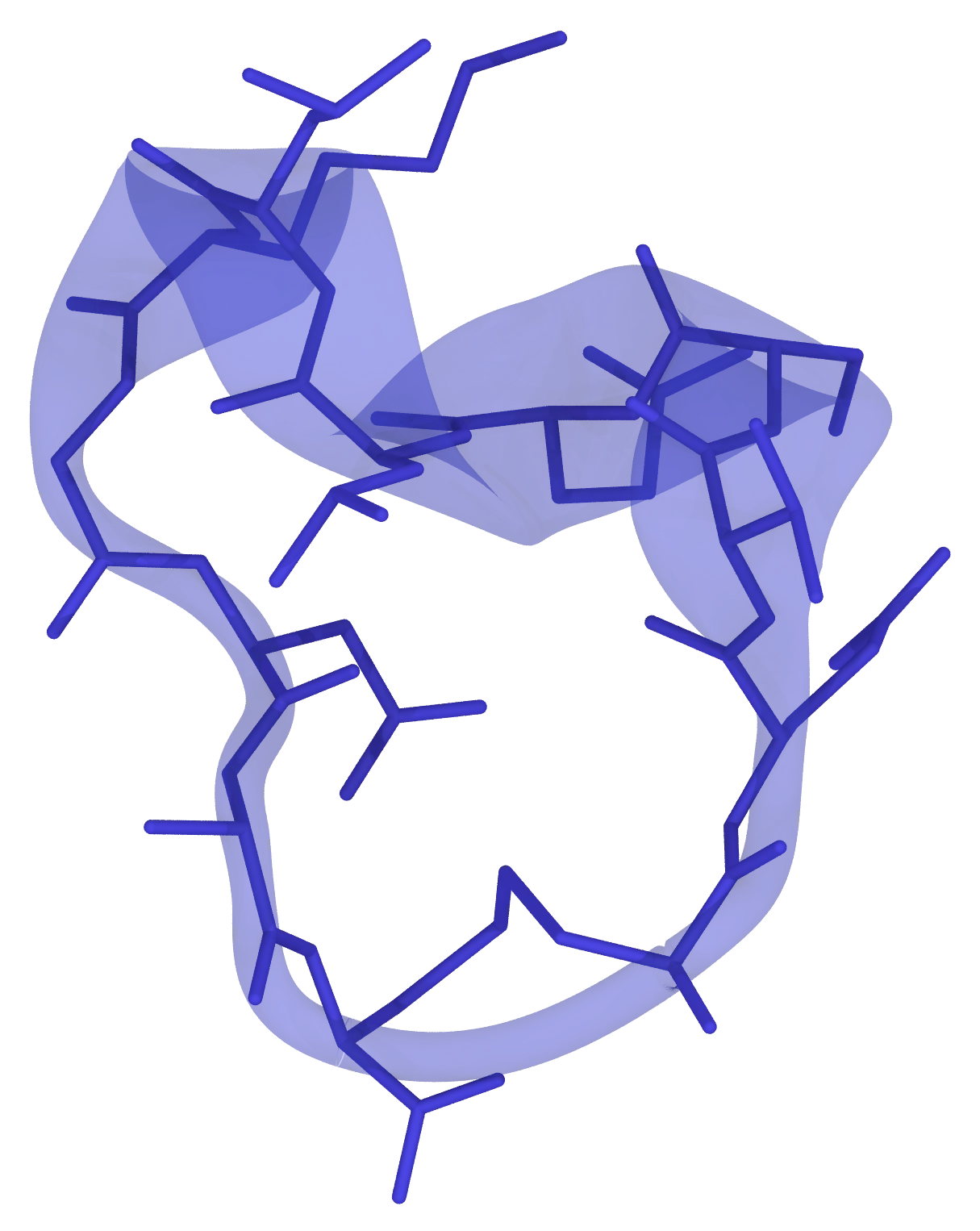
AP-01 (TAX2) is a first-in-class, 12-amino-acid cyclic peptide that binds thrombospondin-1 (TSP-1) to selectively inhibit its interaction with CD47, targeting extracellular matrix signaling within the tumor microenvironment.
Preclinical studies have demonstrated activation of anti-tumor T-cell immunity and inhibition of tumor angiogenesis. Independent preclinical evidence published in Nature Immunology has reinforced the rationale for this approach by identifying TSP-1/CD47 signaling as a driver of T-cell exhaustion and showing that disrupting this pathway can limit exhaustion and improve tumor control.
Nonclinical studies showed no measurable interference with CD47/SIRPα signaling under the conditions tested. GLP toxicology studies demonstrated high tolerability in rats and dogs, without hematological toxicity at the tested doses.
AP-01 is being evaluated in an ongoing first-in-human Phase 1/2a monotherapy study in advanced solid tumors in France and Belgium. Ovarian cancer is the priority indication, alongside colorectal cancer, pancreatic cancer and melanoma. The study assesses safety, tolerability, pharmacokinetics, pharmacodynamics and preliminary anti-tumor activity. Preclinical evidence also supports further investigation of combinations with immune checkpoint inhibitors.
Selected publications
- Thrombospondin-1–CD47 signaling contributes to the development of T cell exhaustion in cancer.Weng C-H et al.Nature Immunology. 2025;26:2296–2311.DOI: 10.1038/s41590-025-02321-5
- Non-clinical pharmacology, pharmacokinetics, and safety evaluation of TAX2, a first-in-class peptide targeting the TSP-1/CD47 matricellular axis.Henry A et al.Toxicology and Applied Pharmacology. 2026;512:117835.DOI: 10.1016/j.taap.2026.117835
- The CD47/TSP-1 axis: a promising avenue for ovarian cancer treatment and biomarker research.Moniot A et al.Molecular Cancer. 2024;23:166.DOI: 10.1186/s12943-024-02073-0
More publications
- Targeting Ovarian Carcinoma with TSP-1:CD47 Antagonist TAX2 Activates Anti-Tumor Immunity.Jeanne A et al.Cancers. 2021;13(19):5019.DOI: 10.3390/cancers13195019
- Deciphering the complex role of thrombospondin-1 in glioblastoma development.Daubon T et al.Nature Communications. 2019;10:1146.DOI: 10.1038/s41467-019-08480-y
- Identification of TAX2 peptide as a new unpredicted anti-cancer agent.Jeanne A et al.Oncotarget. 2015;6(20):17981–18000.DOI: 10.18632/oncotarget.4025

AP-04
AP-04 is a preclinical oncology program developing peptides designed to disrupt the extracellular interaction between secreted cathepsin D and LRP-1.
Cathepsin D released by cancer cells can engage LRP-1 on stromal fibroblasts, promoting fibroblast outgrowth and supporting tumor–stroma interactions. AP-04 aims to interrupt this signaling mechanism and limit the contribution of the stromal microenvironment to cancer progression.
The program comprises short peptides derived from the cathepsin D-binding region of the LRP-1 β-chain, together with modified variants designed to improve their properties. Triple-negative breast cancer (TNBC) is the initial focus. The evidence package includes activity in cellular assays and preliminary in vivo findings in a TNBC model. Candidate prioritization and consolidation of preclinical proof-of-concept are ongoing.
Scientific background
- Pro-cathepsin D interacts with the extracellular domain of the beta chain of LRP1 and promotes LRP1-dependent fibroblast outgrowth.Beaujouin M et al.Journal of Cell Science. 2010;123:3336–3346.DOI: 10.1242/jcs.070938
AP-02
AP-02 is Apmonia Therapeutics’ preclinical cardiovascular program targeting the TSP-1/CD47 interaction, a pathway involved in platelet activation and arterial thrombosis.
The program builds on published antithrombotic proof-of-concept with TAX2, a cyclic peptide that binds TSP-1 and selectively inhibits its interaction with CD47. Preclinical findings include reduced platelet aggregation and platelet interaction with collagen under arterial flow conditions, and delayed arterial occlusion in mouse models of thrombosis. No increased bleeding or changes in hematological parameters were observed under the experimental conditions evaluated.
AP-02 is available for out-licensing or co-development with partners bringing cardiovascular development expertise to define the initial indication and advance the program toward clinical evaluation.

Selected publications
- Towards the Therapeutic Use of Thrombospondin 1/CD47 Targeting TAX2 Peptide as an Antithrombotic Agent.Jeanne A et al.Arteriosclerosis, Thrombosis, and Vascular Biology. 2021;41(1):e1–e17.DOI: 10.1161/ATVBAHA.120.314571