

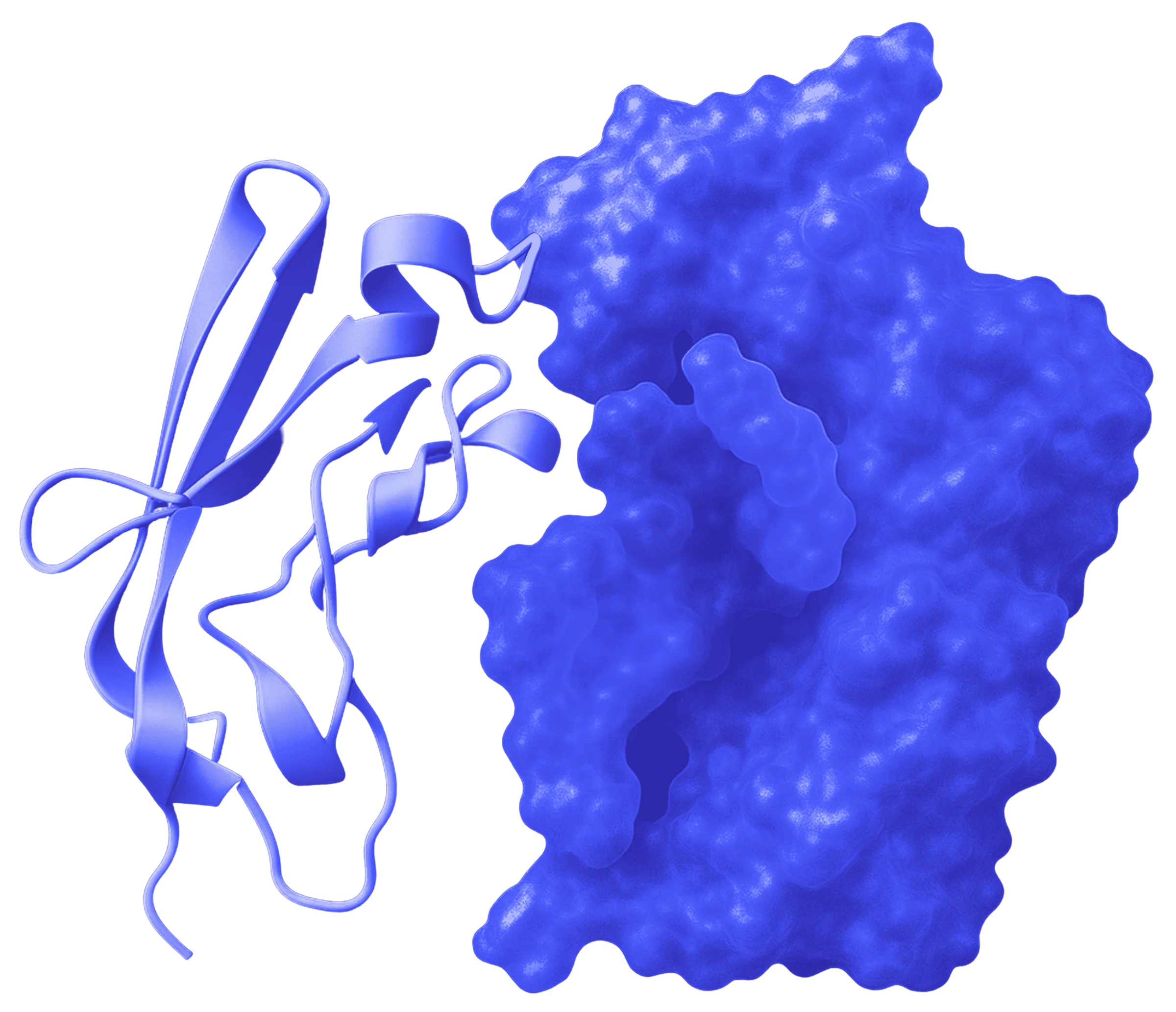
Why target the extracellular matrix?
The tumor microenvironment plays a crucial role in resistance to therapies.
- Dysregulated extracellular matrix signaling can support tumor progression and pathological angiogenesis
- It can contribute to immune suppression and tumor immune escape
- Targeting these pathways offers opportunities to complement existing cancer therapies

Apmonia targets these interactions with engineered therapeutic peptides.
- Designed for selective modulation of extracellular protein-protein interactions
- Sequence optimization to improve target binding and peptide stability
- Production by chemical synthesis
Our technological approach
We use three steps to move from the characterization of extracellular targets toward clinical development.
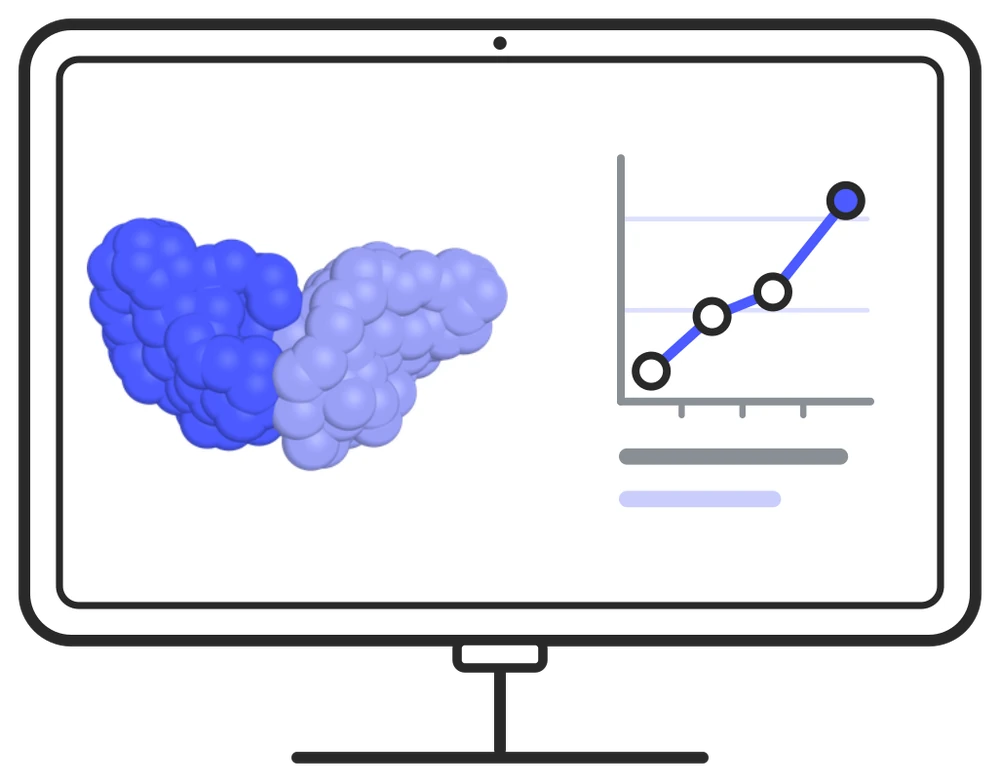 1
Computational modeling
Molecular dynamics, metadynamics, and virtual screening
 2
Optimization through peptide engineering
Sequence optimization and candidate selection based on target binding and biological activity
 3
Translational biological validation
Biophysical assays, cell-based assays and in vivo models
TAX2, our technology in clinical development
- Anti-tumor activity demonstrated in preclinical models (ovarian, colorectal, melanoma, etc.)
- Preclinical evidence of anti-angiogenic activity and anti-tumor immune activation
- Favorable non-clinical safety profile (GLP studies in rats and dogs)
- Ongoing Phase 1/2a study in advanced solid tumors
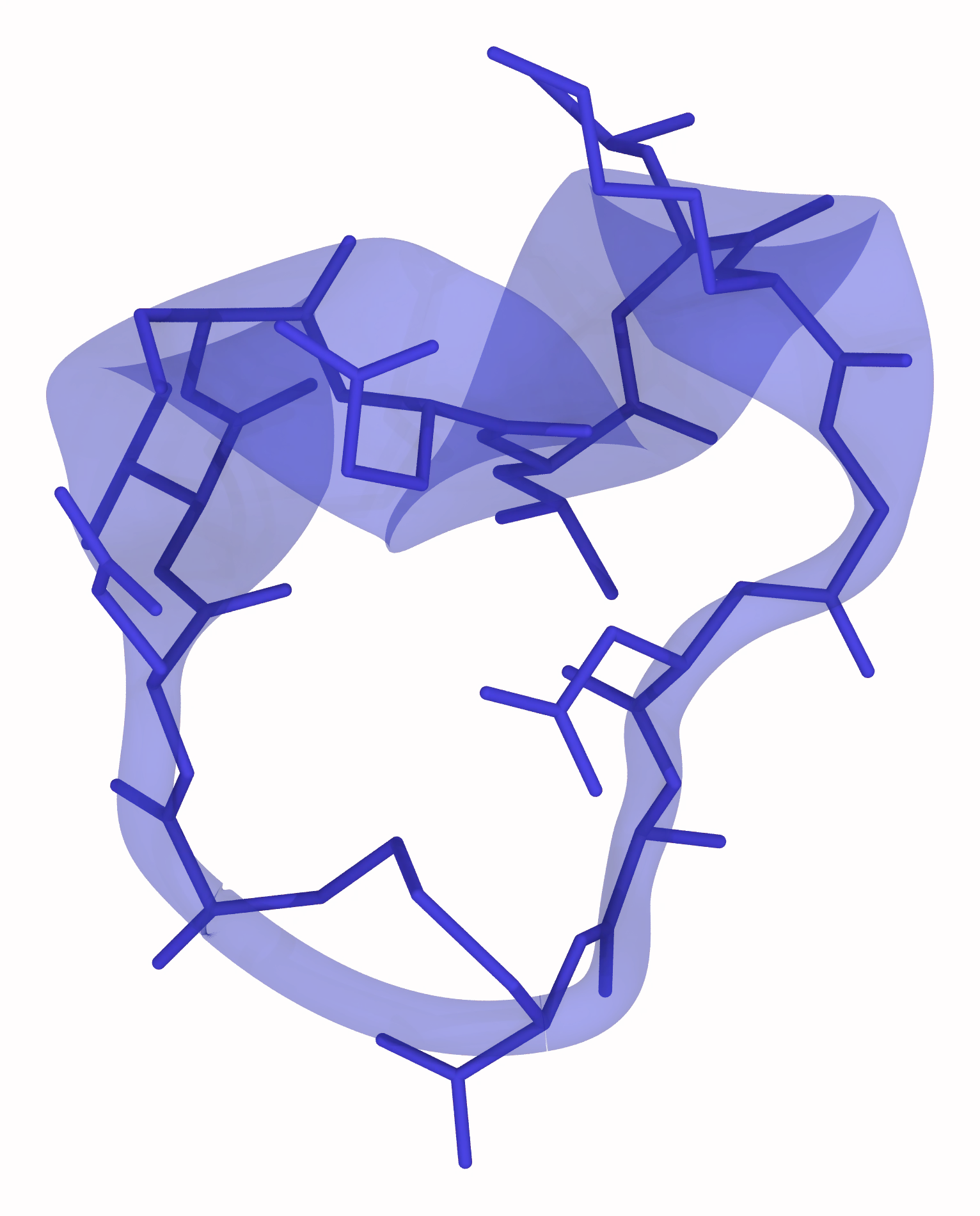
Key features of Apmonia’s peptide technology
| Feature | Apmonia’s approach |
|---|---|
| Extracellular targeting | Peptide design to modulate challenging ECM-related protein-protein interactions |
| Peptide engineering | Structure-guided sequence optimization to improve target binding and stability |
| Production | Chemical synthesis, with manufacturability and scalability considered during development. |